Starting a business with no money might sound impossible, but thousands of successful entrepreneurs began with nothing more than an idea, a laptop, and a willingness to take small steps. Today, free tools, online platforms, and low-cost business models make it easier than ever to launch a business without major financial risks. Whether you want to quit your job eventually or simply build a side hustle, understanding the right strategies, structures, and funding options can help you launch confidently even on a tight budget. If you are worried about how to start a business with no money this guide is for you.
In this guide, I will bring together verified information from major business resources, including Wolters Kluwer, Bank of America Business, Homebase, Florida SBDC, Moosend, WeWork, LivePlan, and Money.co.uk, combined with additional unique insights that matter when you’re starting from $0.
Table of Contents
- Consider Business Ventures with Low Startup Costs
- Perform Market Research
- Write a Business Plan
- 13 Online Businesses You Can Start With No Money
- Choosing the Right Business Structure: Pros and Cons
- Explore Financing Options
- Don’t Neglect the Legal Requirements for Your Business
- Separate Your Business and Personal Finances
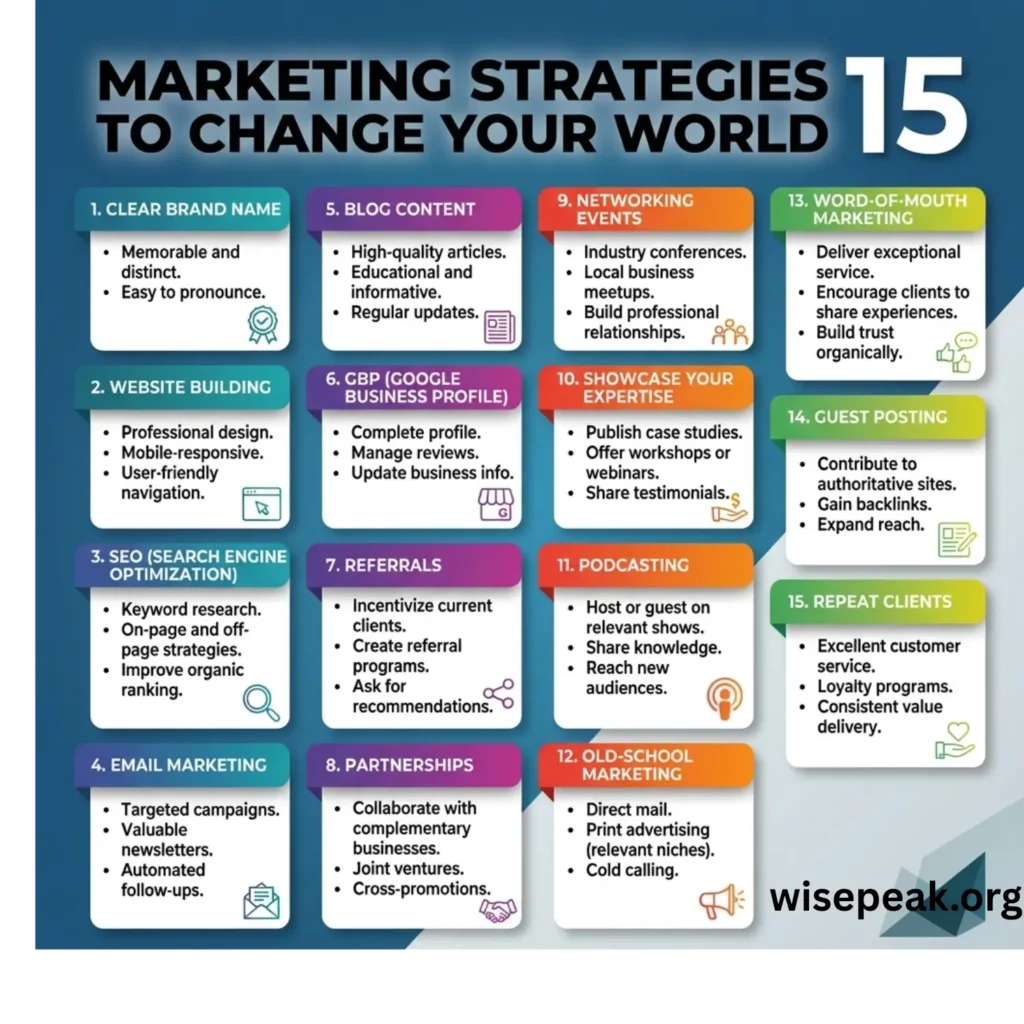
- Low-Cost Marketing Strategies for Zero-Budget Entrepreneurs
- Final Tips: How to Succeed When Starting With No Money
- My Personal Experience As A Freelance Writer – With Zero Cost
Consider Business Ventures with Low Startup Costs
When you have no money, the smartest strategy is to choose a business model that needs minimal overhead. Focus on offers you can deliver using your current skills, time, and free tools. This is how most no-capital entrepreneurs get started.
Examples of Low-Cost Business Ideas
- Social media manager
- Virtual assistant
- Content writer or copywriter
- Graphic designer
- Affiliate marketer
- Tutor
- Drop shipper
- Consultant (marketing, business, HR)
- Photographer
- Bookkeeper
- Application developer
- Dog walker
- Influencer
Pro Tip: Before picking an idea, test demand with pre-selling.
Pre-selling means offering your service before you officially launch. If people buy or sign up, you know there’s demand. If not, you pivot without losing money.
Perform Market Research
Market research helps you avoid the biggest mistake entrepreneurs make: building something nobody wants. You must identify your target audience, their needs, and what they are willing to pay for.
Key Research Steps
- Identify your potential customers
- Understand demographics, motivations, and pain points
- Study competitors
- Check market size and buying potential
- Analyze trends through Google Trends, Reddit, TikTok, Quora, and industry reports.
Tip: Use community validation to join Facebook groups, LinkedIn communities, or Reddit threads and ask real people about their challenges. You’ll find gaps that competitors are ignoring.
Write a Business Plan
Even if you’re starting with $0, a business plan gives direction. It doesn’t have to be complicated; one page is enough while starting.

Business Plan Template
Executive Summary: Why your business will succeed
Company Description: What makes you unique
Products/Services: What you offer
Organization & Management: Structure (sole proprietorship, LLC, S-corp)
Market Analysis: Target customers and competition
Financing Plan: What you need, how you’ll get funding
Marketing Strategy: How you’ll attract customers
Update your plan every 90 days. When starting with no money, flexibility is your biggest advantage.
13 Online Businesses You Can Start With No Money
According to WeWork and multiple business guides, here are the top online businesses requiring zero capital:
- Freelance writing
- Print-on-demand store
- Dropshipping
- YouTube channel
- Affiliate marketing
- Virtual assistant services
- Online coaching
- Graphic design
- Social media management
- Blogging
- Digital product creation
- Podcasting
- Web design and development
Useful Insight:
The fastest-growing no-money online business model today is selling digital products because they require:
- No inventory
- No shipping
- No upfront cost
- Infinitely scalable
Choosing the Right Business Structure: Pros and Cons
Your business structure affects taxes, legal protection, and liability.
Sole Proprietorship
- Easiest to start
- No legal separation from the owner
- Highest personal liability
LLC
- Limited liability protection
- Protects your personal assets
- Requires filing, fees, and compliance
S Corporation
- Tax benefits
- Separate legal entity
- More administrative responsibilities
If money is tight, start as a sole proprietor but prepare for an LLC once you sign contracts or receive payments. This minimizes cost while protecting you when needed.
Explore Financing Options
Starting a business with no money doesn’t mean you’ll never need funding. It means you’ll use smart, accessible financing methods.
1. Microloans
- Up to $50,000
- Offered by SBA through nonprofit community lenders
- Ideal for early-stage businesses
2. Equipment Loans
- Fund tools and machinery
- Equipment used as collateral
- Some lenders offer 100% financing
3. Peer-to-Peer Loans
- Borrow from individual investors
- Faster approval
- Sometimes, higher interest rates
4. Grants
- Hard to secure but free
- Offered by federal/state agencies and economic development entities
5. Crowdfunding
- Kickstarter, Indiegogo for products
- GoFundMe, Patreon for creative work
- Pre-sell or get donations from supporters
Before applying anywhere, build a “Minimum Viable Proof,” a small demo, landing page, or prototype. Lenders and investors trust you more when they see real traction.
Don’t Neglect the Legal Requirements for Your Business
No-money startups still need compliance. Avoiding legal steps early can lead to penalties later.
Legal Requirements to Consider
Business Licenses & Permits
You may need:
- General business license
- State-level registrations
- Home occupation permit (even for home businesses)
Register with the Department of Revenue
Needed if you:
- Collect taxes
- Operate in multiple states
- Have “nexus” in another state
DBA Filing
Required if you operate under a name different from your personal name.
Hiring Employees
If hiring, you must:
- Get an EIN
- Register with the Department of Labor
- Handle payroll
- Follow employment laws
Beneficial Ownership Information Report (FinCEN)
Required for most corporations and LLCs.
Additional Tip: Many new founders forget to keep annual compliance reminders. Missing renewals can dissolve your LLC set calendar alerts from day one.
Separate Your Business and Personal Finances
Even if you start with no money, financial separation is essential.
Why It Matters
- Required by law for LLCs and corporations
- Helps build credit
- Makes bookkeeping simple
- Protects your personal assets
- Improves approval chances for future funding
How to Separate Finances
- Open a business bank account
- Get a business credit card
- Use accounting tools like Wave (free), FreshBooks, or QuickBooks
- Track every expense and income
Opening a free online business bank account early acts as proof of legitimacy when applying for microloans or grants.
Low-Cost Marketing Strategies for Zero-Budget Entrepreneurs
Marketing is where most new business owners overspend. You don’t need paid ads initially — growth can happen organically.
Zero-Cost Marketing Methods
- Social media content
- SEO-optimized blog posts
- Cold emailing
- Networking in industry groups
- Offering free workshops/webinars
- Collaborating with micro-influencers
- Posting on TikTok, Instagram Reels, and YouTube Shorts
Use “borrowed audiences” to appear on other people’s podcasts, YouTube channels, or newsletters. It’s the fastest way to grow without money.
Final Tips: How to Succeed When Starting With No Money
✔ Start small, grow big
✔ Use free tools before premium ones
✔ Build skills faster through online courses (many free)
✔ Focus on revenue-generating activities
✔ Pre-sell instead of building first
✔ Improve based on customer feedback
✔ Keep expenses as close to zero as possible
Starting with no money forces you to be creative, and creativity is the biggest competitive advantage new entrepreneurs have over large companies.
My Personal Experience As A Freelance Writer – With Zero Cost
When I started my journey as a freelance writer, I didn’t have money to invest in courses, paid tools, or marketing. I only had a basic laptop, free writing tools, and a strong desire to earn something on my own. Instead of waiting for the “perfect setup,” I used free platforms like Facebook groups, Fiverr, and LinkedIn to find my first clients. I created simple writing samples using Google Docs and promoted my services through cold emails and helpful posts. Soon, I got my first client with a low pay but that small win changed everything. It proved I could build a business with zero upfront cost. Over time, I improved my skills using free YouTube tutorials, offered discounted packages to build my portfolio, and relied on word of mouth to grow. Today, writing is not just a side hustle it’s a sustainable business that started from absolutely nothing. If I could do it with no money, no connections, and no experience, you can too.
Conclusion
Starting a business with no money is not just possible, it’s common. With low-cost business ideas, free digital tools, smart market research, the right business structure, and creative marketing, you can build a profitable business without large upfront investment. Whether you’re launching a side hustle or a long-term venture, staying flexible, learning continuously, and making strategic financial decisions will help you build a sustainable business from the ground up.

I am Harry, a dedicated content writer and SEO enthusiast with 2 years of experience creating clear, engaging, and search-focused content. I love to simplify complex topics, helping readers find exactly what they need, and turning ideas into helpful, well-researched articles that truly add value.